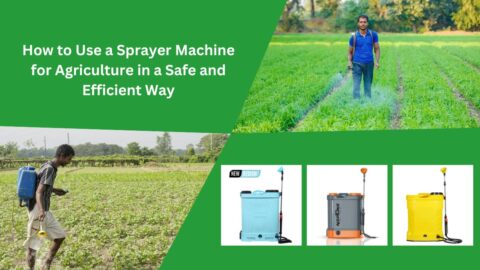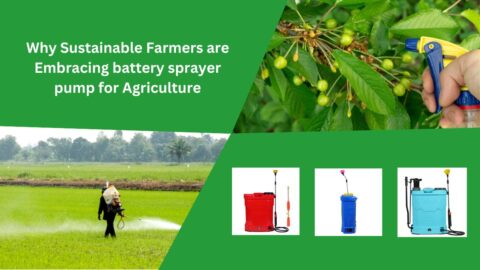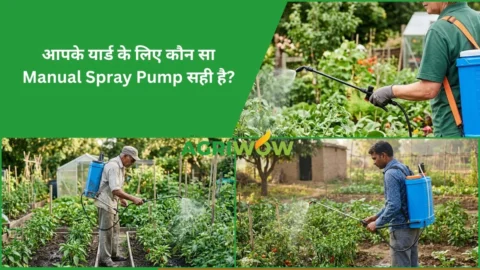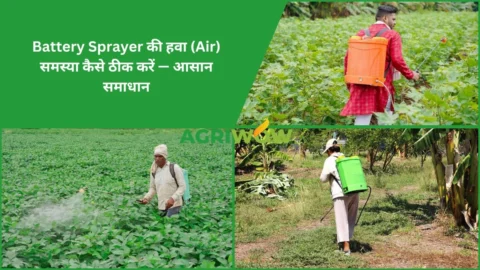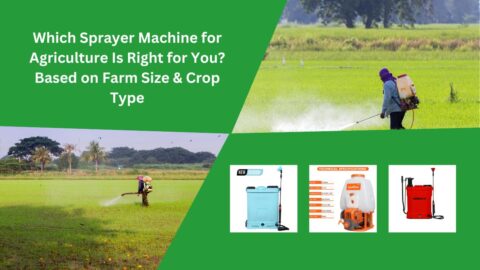

Choosing the right manual spray pump is an important decision for farmers and serious gardeners. The right sprayer boosts the efficiency of pest control, weed management, and nutrient application, saving time, effort, and chemical usage. Although manual sprayers are budget-friendly, understanding key specifications will help you choose a model that truly fits your farm’s requirements.
1. Tank Capacity
Capacity is one of the first things to consider. Manual sprayers generally come in two main types:
- Handheld Sprayers (1–5 Liters): Ideal for small gardens, greenhouses, or spot treatments. They’re lightweight and convenient for quick jobs.
- Knapsack (Backpack) Sprayers (12–20 Liters): The most common choice for small and medium farms. A hand operated knapsack sprayer in 16L or 20L size offers a balance between coverage and ease of use. Larger tanks reduce refill frequency but increase the weight on your back so ergonomic comfort matters.
2. Material and Durability
Agricultural chemicals can be harsh, so the quality of materials directly affects a sprayer’s durability.
- Tank: Prefer High-Density Polyethylene (HDPE) or UV-stabilized virgin plastic for long life.
- Pump/Chamber: Brass or high-grade polypropylene handles pressure and corrosion far better than basic plastic. Some brands like a neptune sprayer pump are known for better build quality and chemical resistance.
- Seals and Gaskets: Viton or EPDM materials prevent leaks and withstand harmful chemicals.
3. Nozzles and Spray Precision
The nozzle determines droplet size, spray uniformity, and penetration.
- Hollow Cone Nozzles: Perfect for fungicides and insecticides where deep leaf coverage is needed.
- Flat Fan Nozzles: Ideal for applying herbicides and foliar fertilizers across row crops.
- Adjustable Nozzles: Allow you to switch between mist and stream modes, offering more flexibility for varied applications.
4. Pressure and Consistency
Manual sprayers require pumping to maintain pressure. Choosing the right mechanism improves spraying efficiency.
- Look for smoother piston or diaphragm pumps that provide steady pressure with less effort.
- Some models feature a pressure gauge to help maintain uniform spray patterns.
Stable pressure prevents chemical wastage and ensures accurate application.
5. Warranty and After-Sales Support
A good warranty (usually 6–12 months) adds reliability to your purchase. Before buying, consider:
- Availability of spare parts
- Local service support
- Replacement affordability for seals, nozzles, plungers, and filters
A well-supported sprayer significantly increases long-term performance.

Crop-Specific Spraying: Best Machines for Orchards, Vegetables, and Row Crops.
The right sprayer depends on your crop type and field size.
| Crop Type | Recommended Manual Sprayer Type | Key Features to Look For |
| Vegetables (Low-lying) | Knapsack Sprayer (16L/20L) | Flat fan nozzles; brass extension lance |
| Row Crops (e.g., Rice, Wheat) | Knapsack or Rocker Sprayer | Boom lance; high-volume piston pump |
| Orchards / Tall Crops | Knapsack Sprayer with High-Pressure Lance | Hollow cone nozzles; long-distance spray gun |
Hidden Costs in Spray Pump Buying: Battery Life, Maintenance, Fuel Efficiency Impact on Total Price
Manual sprayers may seem inexpensive initially, but long-term operating factors matter too.
Maintenance and Spares
Even without fuel costs, manual sprayers need periodic replacement of seals, gaskets, and filters. Poor cleaning habits can quickly increase maintenance needs.
Labor Efficiency Cost
Manual spraying is physically demanding. If your farm exceeds 1–2 acres, the extra labor time may make a battery-operated or motorized sprayer a better choice. Always compare with the agriculture spray pump price to evaluate long-term value.
Chemical Waste
Inconsistent pressure often leads to uneven application:
- Over-spraying → Wasted chemicals
- Under-spraying → Poor results and re-spraying
Good nozzles and regular maintenance help prevent this.
By understanding tank capacity, material strength, spray precision, pressure consistency, and long-term costs, you can choose a sprayer machine for agriculture that is reliable, efficient, and cost-effective for your farming needs.
FAQs
1. Which manual sprayer is best for small farms?
For small farms up to 1–2 acres, a 16L or 20L knapsack sprayer is the most efficient option. It offers better coverage, consistent spray pressure, and reduced refill frequency. Look for models with brass nozzles, HDPE tanks, and chemical-resistant seals.
2. How do I maintain a manual sprayer for long life?
To extend the lifespan of your manual sprayer, clean the tank after every use, flush the lance and nozzles with clean water, and check the seals and gaskets regularly. Replacing worn-out parts like nozzles, washers, and filters prevents leaks and pressure loss.
3. What factors affect agriculture spray pump price?
The price of a manual or knapsack sprayer depends on tank capacity, material quality, pump type (piston or diaphragm), nozzle set, and brand reputation. Additional features like pressure gauges, brass components, and higher-quality plastics also influence cost.